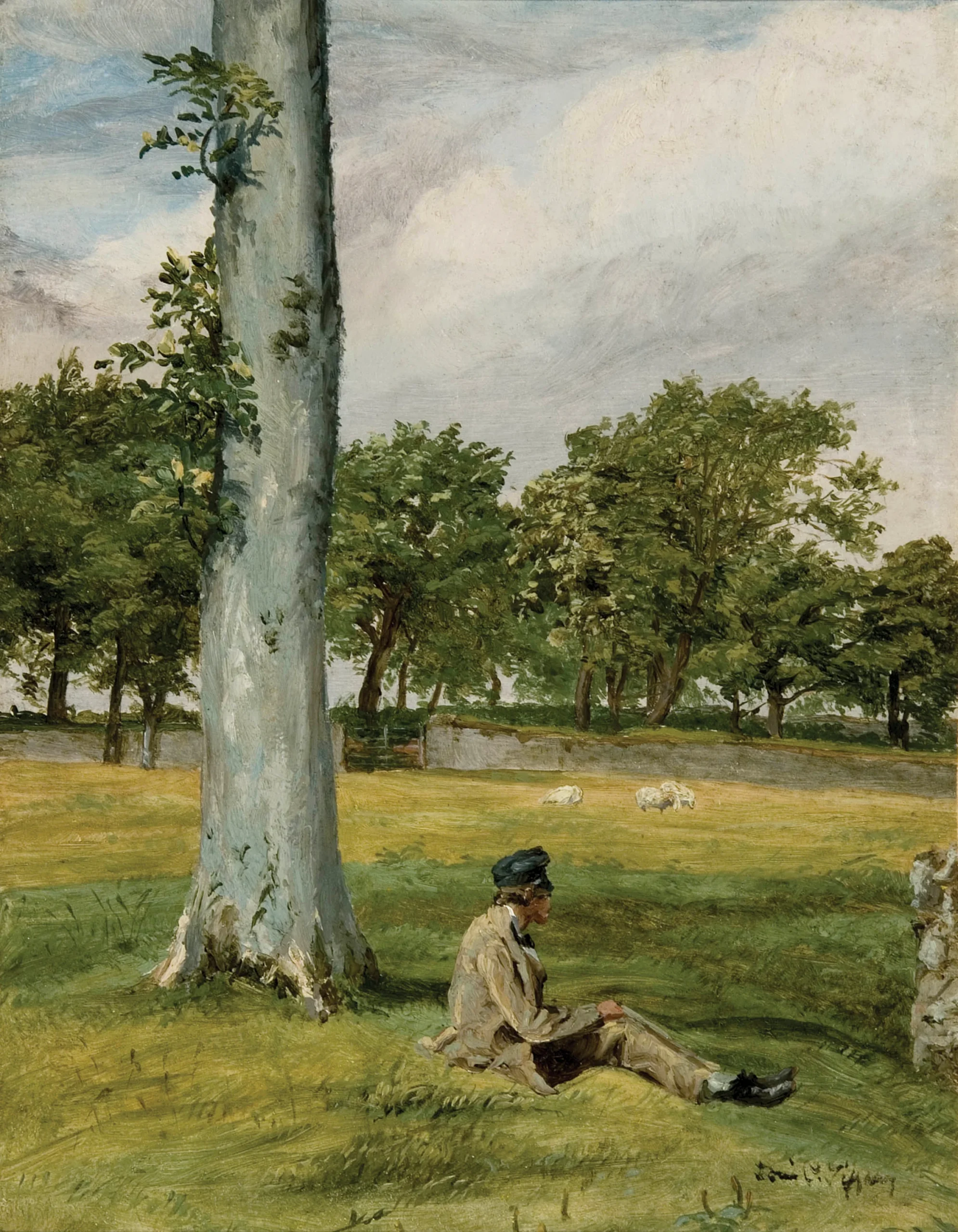
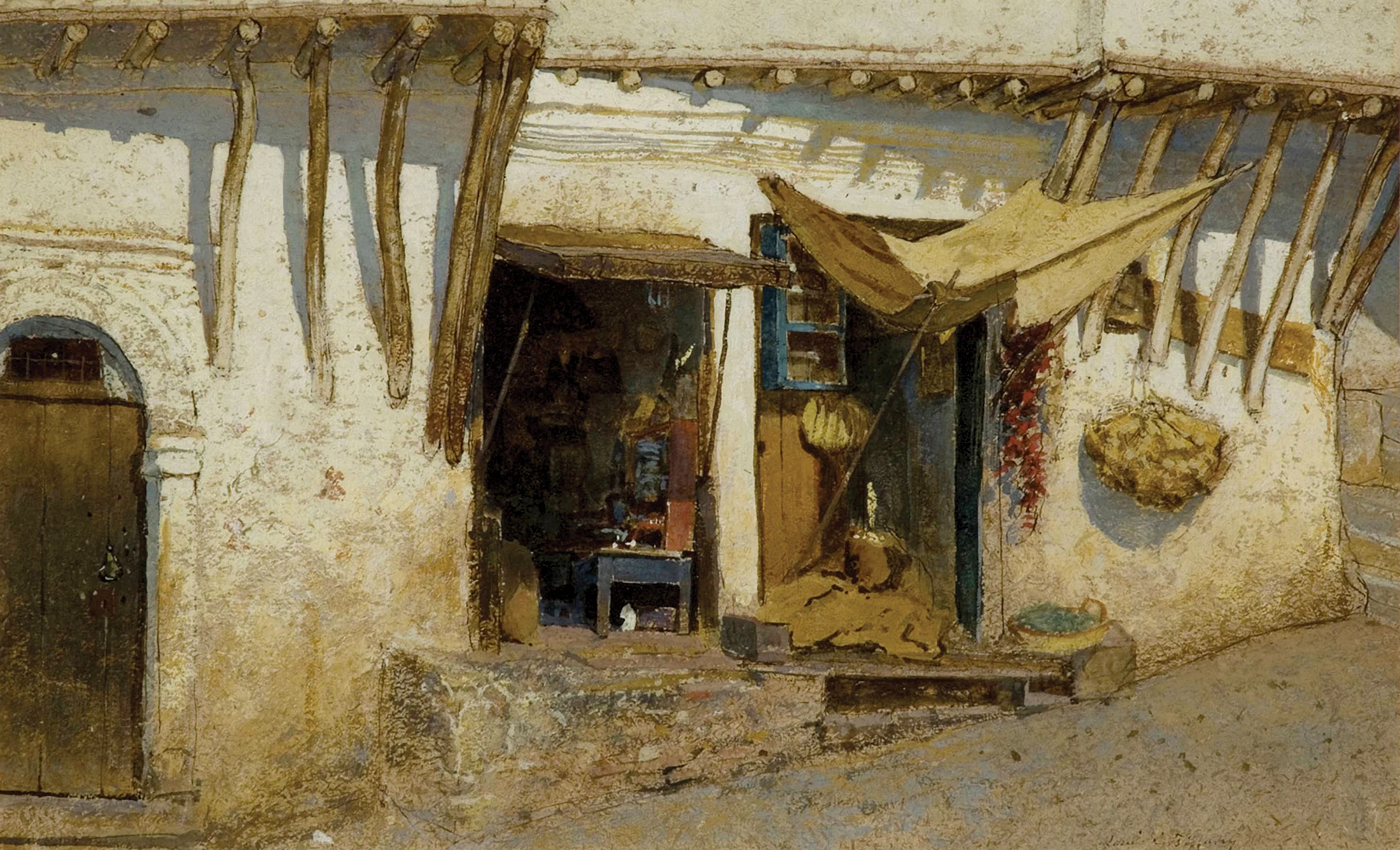
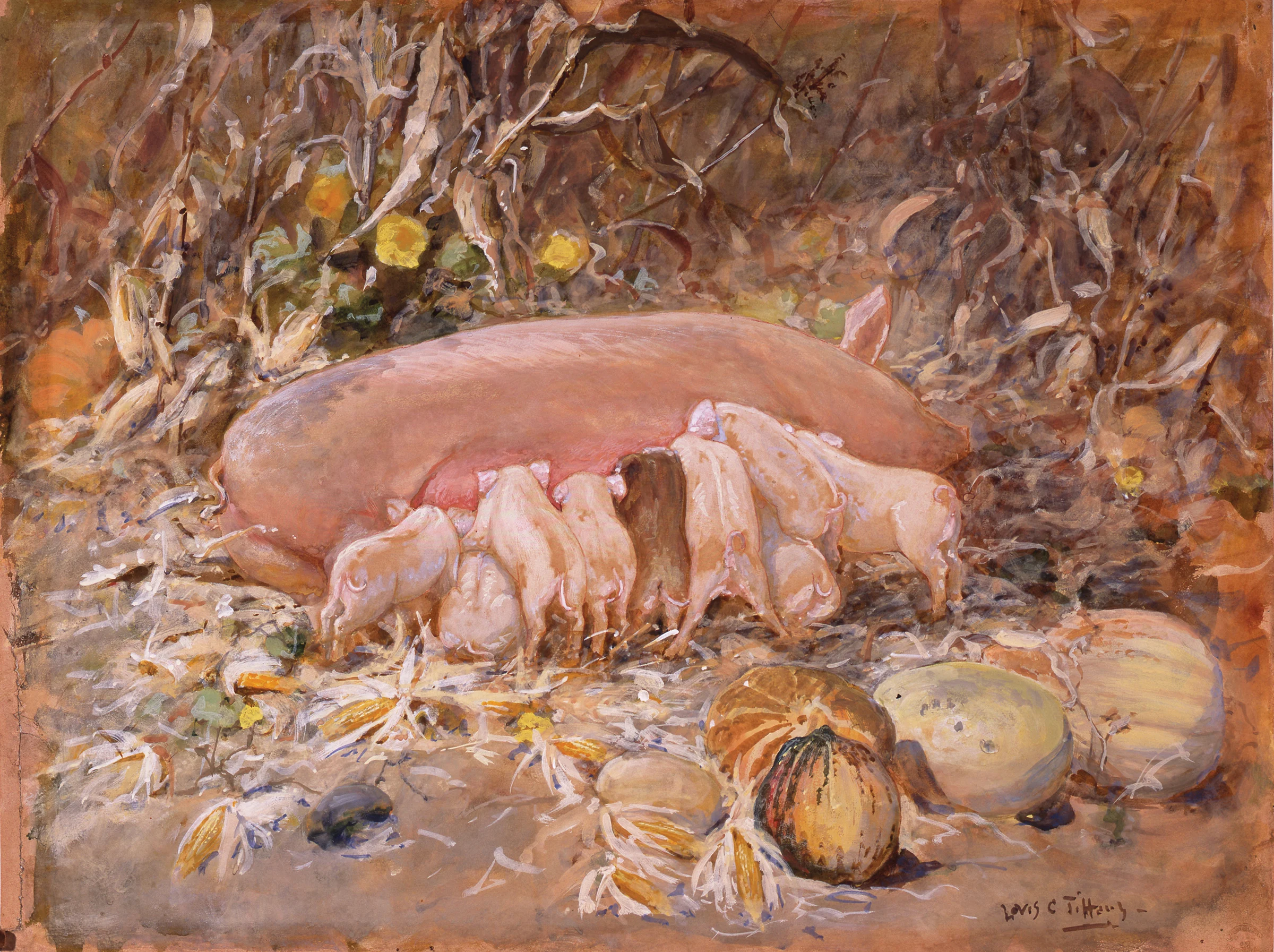
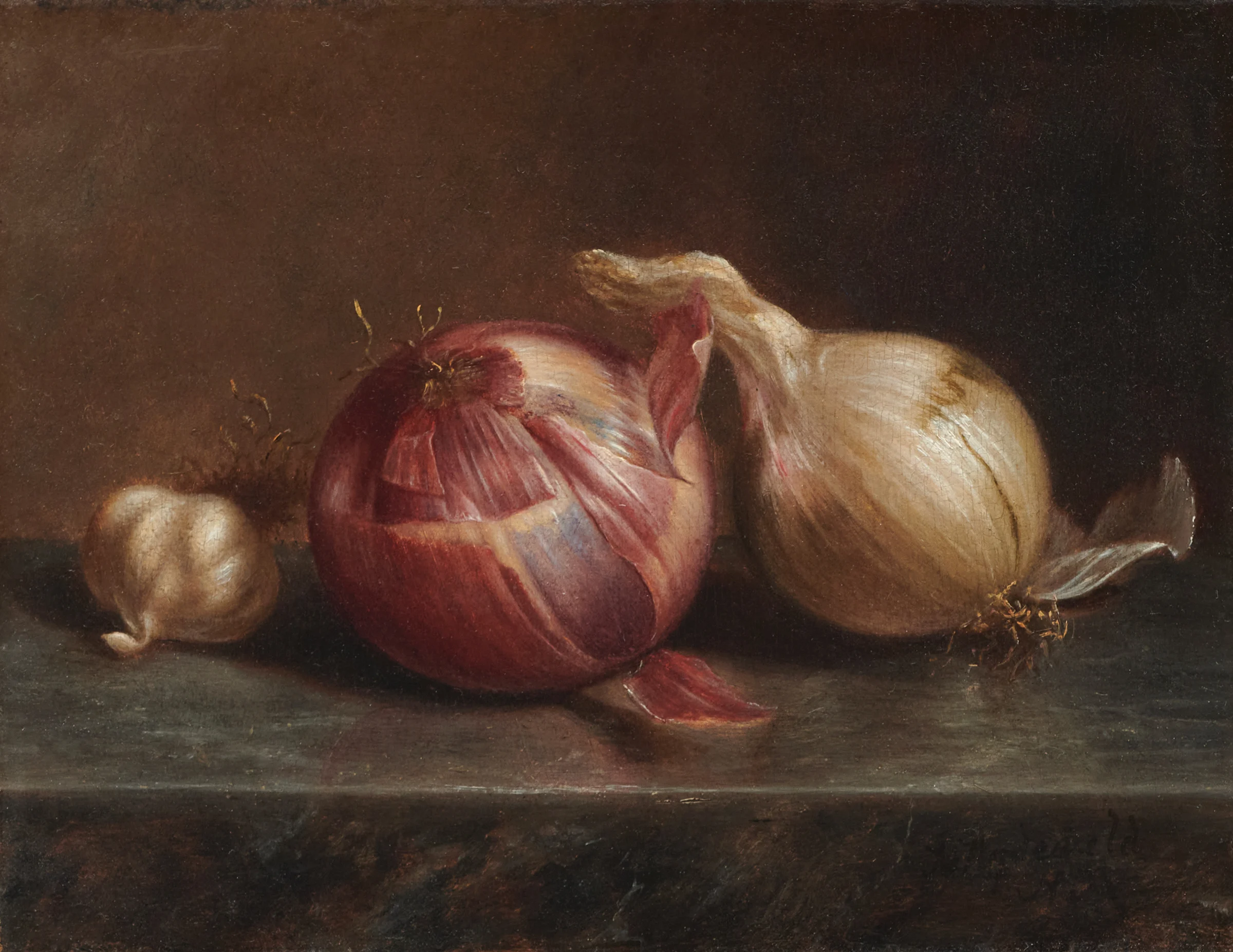
While the Charles Hosmer Morse Museum of American Art is best known for its collection of Louis Comfort Tiffany’s stunning leaded-glass windows and intricate lamps, the museum is showcasing the artist’s work in a different medium through a new exhibition, Beyond Glass: The Paintings of Louis Comfort Tiffany.
Tiffany began his artistic career as a painter and continued placing brush to canvas throughout his life. He trained under the influential Hudson River School painters Samuel Colman and George Inness in the United States and naturalist French painter Léon Belly in Europe.
The exhibition, which is ongoing, displays 16 of Tiffany’s painted works. Hugh F. McKean Curator Kayli R. Rideout says that the artist’s striking watercolor Abundance—which was first shown at the National Academy of Design in 1889—has emerged as a favorite among visitors.
In conjunction with Beyond Glass, the museum has opened its Salon-Style Paintings exhibition, which hasn’t been on view in two decades. Beginning in the 17th century, salons were influential gathering spaces for intellectual discussion and art displays that became central to social and cultural life in France.
In the earliest years, such exhibitions were sponsored by the French monarchy and frequently held in the Salon Carré, originally designed by architect Louis Le Vau in 1661 as a grand ceremonial space for King Louis XIV and renowned as the birthplace of the Paris Salons.
To accommodate vast numbers of works shown, paintings were hung densely from floor to ceiling in what is now known as the “salon-style,” and strict rules governed how the works were displayed. History paintings, generally seen as the most important, were placed at eye level, while landscapes and still-life filled the spaces above and below.
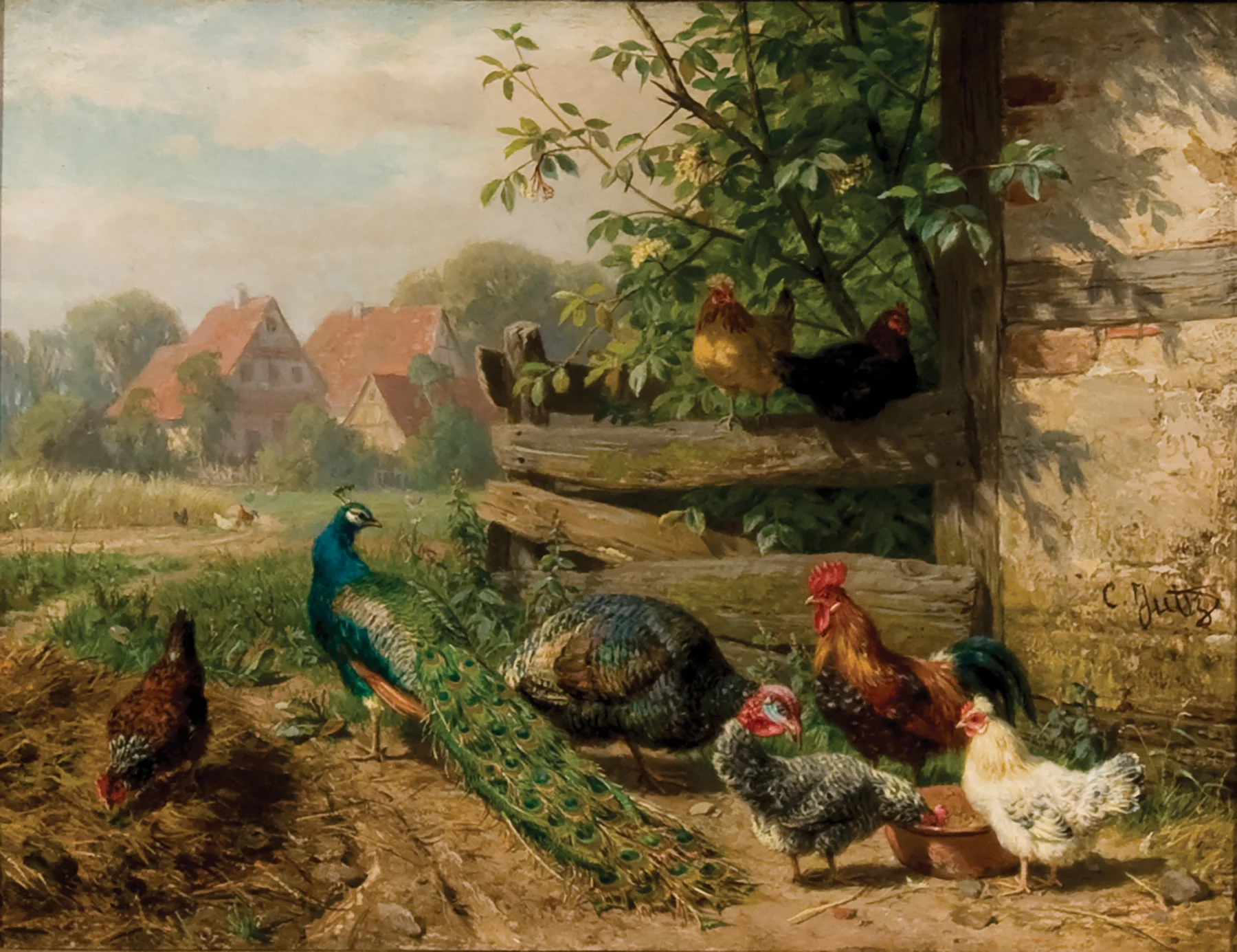
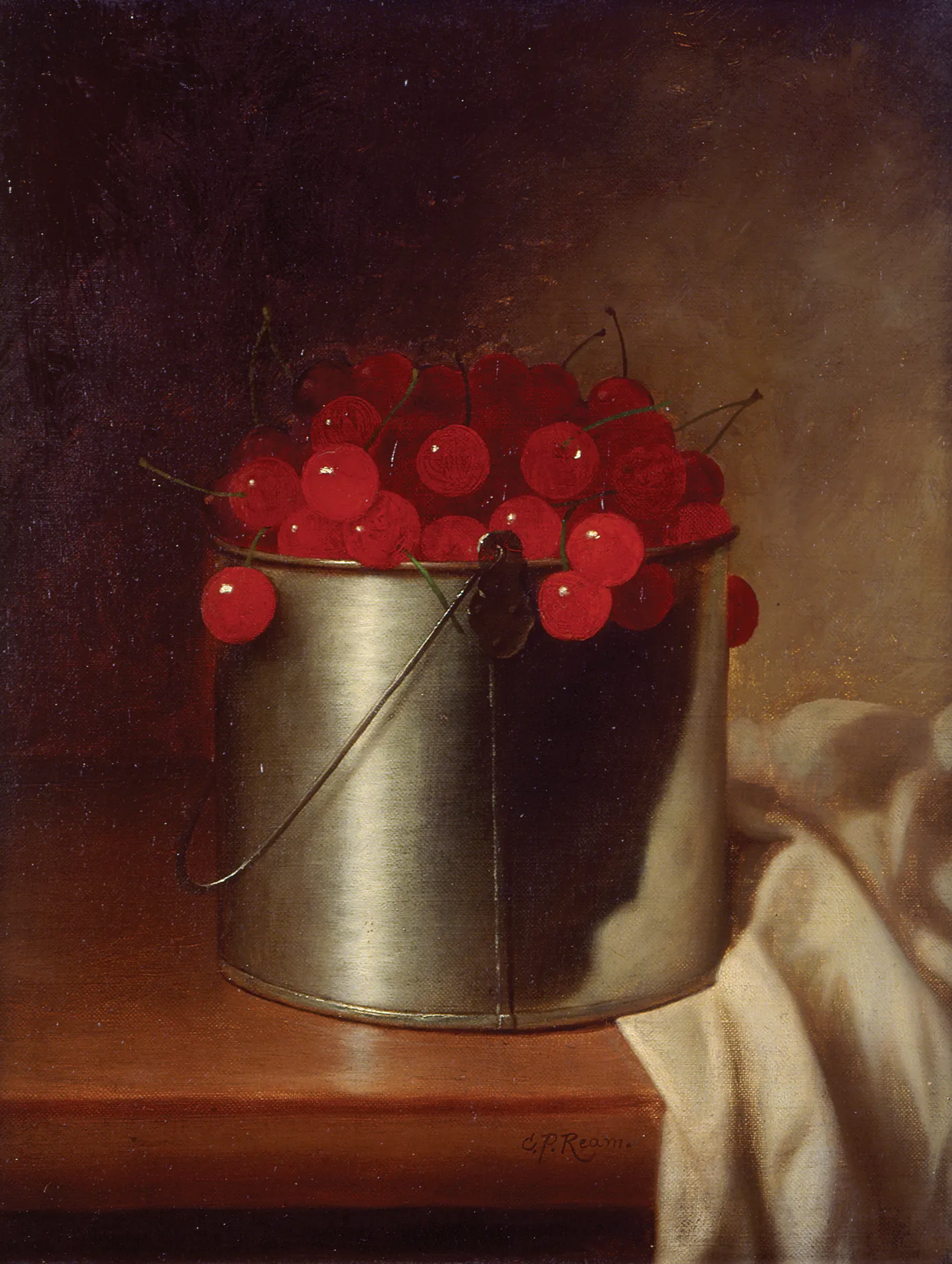
The museum’s exhibition takes the form of a salon but without the rigid hanging hierarchies. It will feature about 50 paintings from the permanent collection, including portraits by Robert Henri and John Singer Sargent, still lifes by John Frederick Peto and Elihu Vedder and landscapes by Martin Johnson Heade and Albert Bierstadt.
“We wanted to bring this experience back for visitors,” says Rideout. This very rich and almost overwhelming way of hanging paintings also provides a nice opportunity for us to display more of our paintings than usual.”
The Charles Hosmer Morse Museum of American Art is located at 445 North Park Avenue, Winter Park. For more information, visit morsemuseum.org or call 407.645.5311