

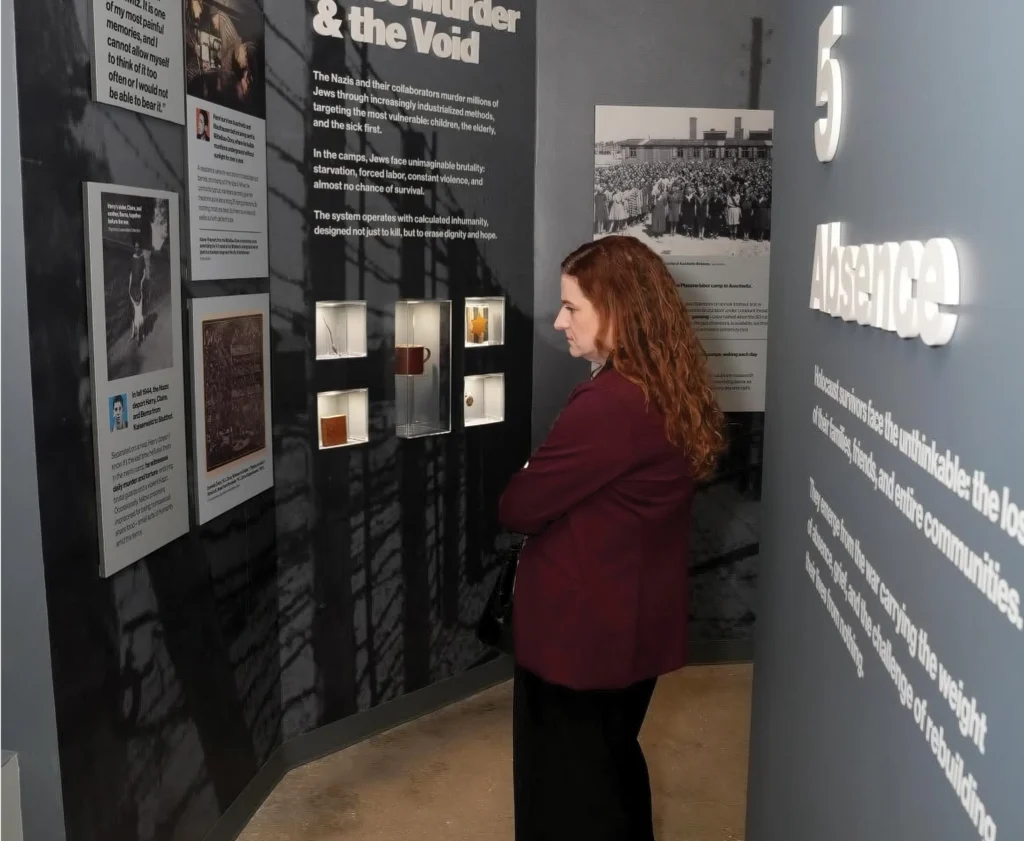
In Hope & Humanity, correspondence and other artifacts from the personal collections of local Holocaust survivors demonstrate how they weathered the 20th century’s most infamous atrocity and came out on the other side—and what their experiences have meant to not only their own lives but to the lives of their loved ones, their community and culture. | Courtesy Holocaust Memorial Resource and Education Center of Florida
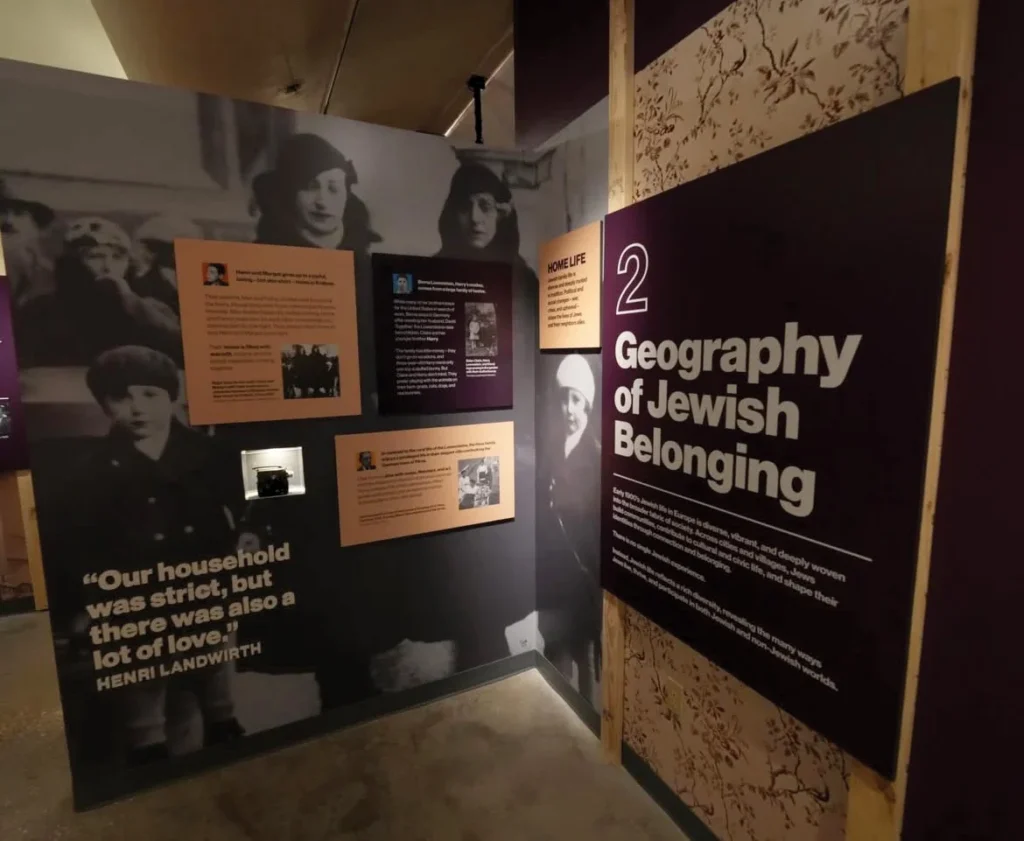
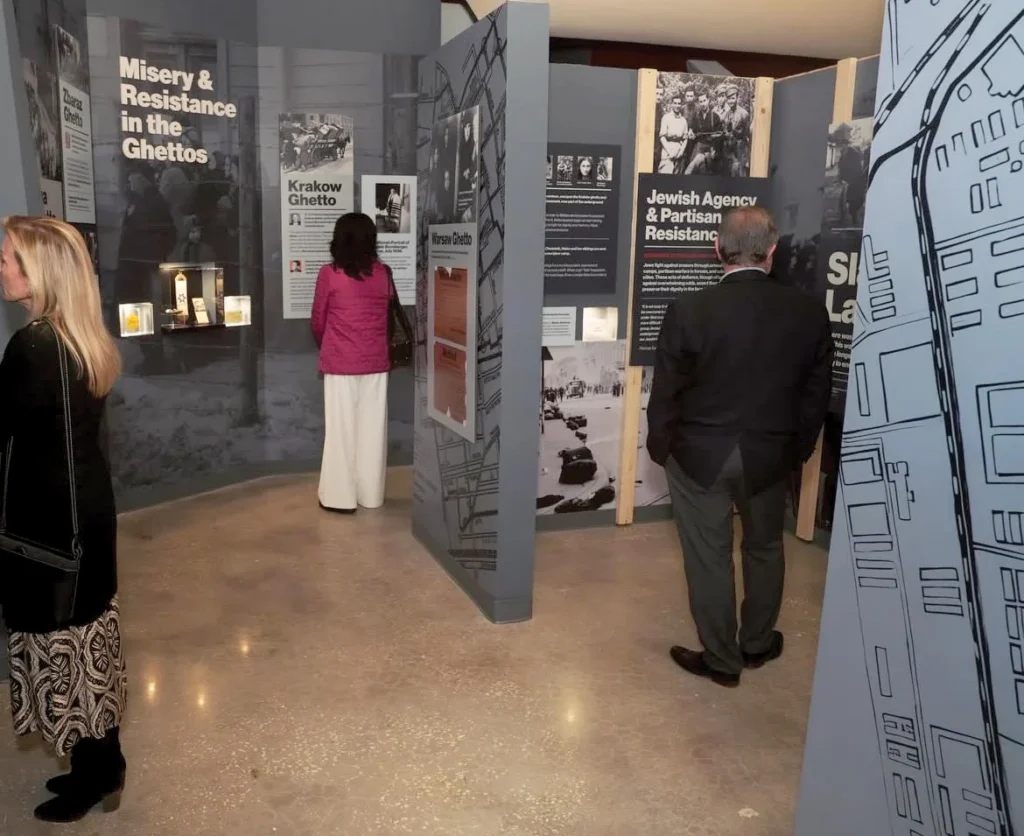
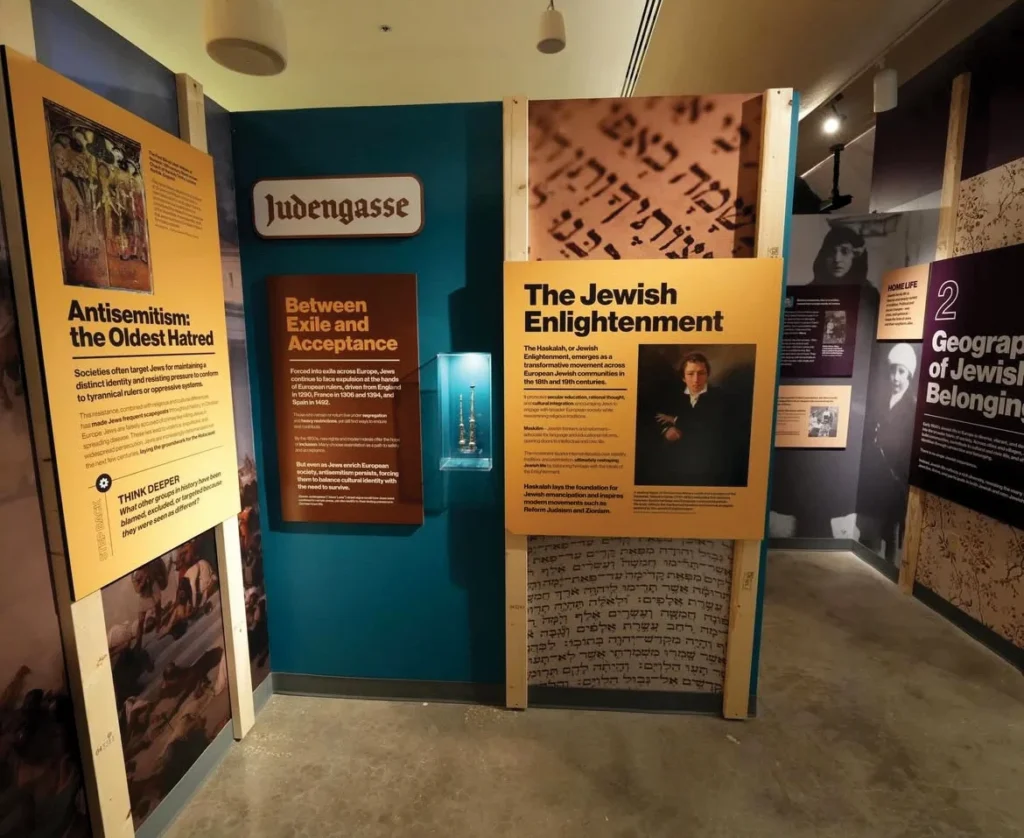
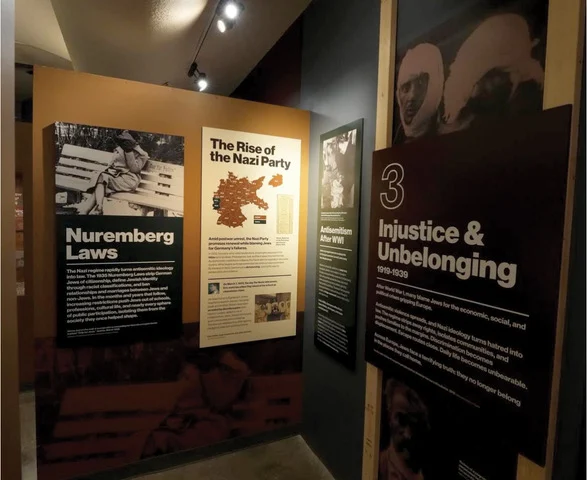
There’s still no firm timeline for the Holocaust Memorial Resource and Education Center of Florida to complete its previously announced move into a new, larger facility and its subsequent rebranding as the Holocaust Museum for Hope & Humanity.
In the meantime, however, visitors can get an idea of the sharpened focus the new museum will display by perusing the center’s current core exhibition—the not-coincidentally named Hope & Humanity.
A highly personalized and localized exploration of the effects of antisemitism, Hope & Humanity traces the legacy of European Jews who survived the Nazi persecutions of World War II to eventually settle in Central Florida.
A total of 10 survivors are spotlighted: Suzanne Szmajuk Schneider, Henri Landwirth, Tess Goldberg Wise, Oswald “Valdik” Holzer, Harry Lowenstein, Albert Hess, Helen Garfinkel Greenspun, Felicia Deutscher Friedman and brothers Stevan and Eric Simon.
Correspondence and other artifacts from their personal collections demonstrate how they weathered the 20th century’s most infamous atrocity and came out on the other side—and what their experiences have meant to not only their own lives but to the lives of their loved ones, their community and culture.
But this isn’t just a standard-issue collection of mementos. To ensure an intimate connection between observer and subject, Hope & Humanity has been structured as an interactive tour that employs state-of-the-art technology to preserve history as a living narrative.
For example, one installation features an audio recording of a voice actor reading a letter that Holzer’s father wrote to him before they were rounded up and separated by the Nazis. Other correspondence from Holzer’s collection is readable visually thanks to animation that shows letters literally flying out of a Chinese lacquer box. In addition, photographs of the sender and receiver are brought to life via AI.
That jaw-dropping component is facilitated through a Snapchat filter created by OpticSky. And because the experience is built on Snapchat, visitors can record and share the interactions with their friends and loved ones beyond the confines of the center.
According to Suzanne Grimmer, senior director of museum experiences, the idea is to redirect the emphasis of Holocaust study from the perpetrators to the survivors. “Hope & Humanity is both an exhibition and a statement of intent,” she says.
Continues Grimmer: “It demonstrates the survivor-centered, human-first storytelling approach that will guide the future Holocaust Museum for Hope & Humanity—ensuring that the lived experiences of our Florida survivors remain at the center of how this history is remembered.”
Subjects were located via community connections and through research databases maintained by such organizations as the USC Shoah Foundation. In one case, organizers of the exhibition didn’t have far to look: Survivor Tess Goldberg Wise founded the center more than 40 years ago. Now her daughter, Ellen Wise Lang, sits on the museum’s board and is part of the leadership team for the future location.
Hope & Humanity is a self-guided tour that takes approximately one hour. Admission is free but requires a reservation through mrec.org/tickets.
The exhibition will remain in place for as long as the center remains in its current space at 851 North Maitland Avenue, Maitland. Its successor facility will occupy a larger space of more than 25,000 square feet at a location to be determined. Call 407.628.0555 or visit holocaustedu.org for more information.