

In early 2021, when Carrie and Daryl Carter stopped—strictly out of curiosity—to visit an open house at 740 Palmer Avenue in Winter Park, they didn’t realize that they had taken what would become a momentous three-year detour.
The home being shown, which was built in 1955 on property fronting Lake Osceola and cornering the Venetian Canal, was designed by celebrated architect James Gamble Rogers II, who during his decades-long career had a profound influence on the architectural aesthetic in Winter Park.
Carrie Carter, founder and owner of Cypress + Pitch Interiors—who has made her career blending the old and the new—whispered to her husband: “I love this place.” The couple had not known of the home’s architectural pedigree. In fact, at the time they first walked through, they weren’t even looking to move.
Yet, after taking it all in, they knew that they had found their forever home—if a bit inadvertently. “When I walk into a room I can see the potential,” says Carter. She saw the perfect proportions, the sight lines that pulled visitors from one room to the next, the well-defined spaces and the ample light that filtered into a home that was longer than it was deep.
The Carters bought the place for $2.75 million in March 2021 with a mission: to preserve it, but also to update it “to the best version of what it needed to be” nearly 70 years after it was built. They would, incredibly, be only the second owners.
Daryl Carter, CEO and president of Maury L. Carter & Associates Inc., a real estate investment firm, was delighted to learn that he knew of the first owner through his late father, Maury, a local real estate legend who had played a pivotal role in transforming the region into a major metropolitan hub.
John Walter Tucker, a third-generation Orlandoan and president and CEO of Tucker & Branham Inc., an insurance, real estate and mortgage banking firm, built the home with his wife, Marjorie. They had received money from Marjorie’s mother as a wedding gift to purchase a site of their choosing.
At the time they picked the idyllic location, McKean Circle nearby was an orange grove and the water was practically drinkable in Lake Osceola, recalls their daughter, Jill Tucker Read. So, naturally, when the Tuckers were ready to build they hired the most respected architect in town.
Rogers designed mostly residences but also buildings on the campus of Rollins College, perhaps most notably the Olin Library. His most famous commission was Casa Feliz, the home that Massachusetts industrialist Robert Bruce Barbour built along Lake Osceola in 1932.
That now-iconic structure, built in the style of a 19th-century Andalusian farmhouse, was famously saved from demolition when it was rescued in 2000 through a grassroots effort led by locals and relocated to property abutting the Winter Park Golf Course. Casa Feliz, which was also meticulously restored, is now a museum and event venue.
Drawings from 50 of Rogers’s residential commissions are archived at the Winter Park Library—including plans for the Tucker project, which were vital to the renovation process. Rogers, who worked in a number of revival styles, designed the home using influences from the French and Creole architecture of New Orleans.
Jill Tucker Read, who was 2 years old when her family moved into the home, says that her parents chose the design based upon similar designs by Rogers. For example, a Rogers home from 1941, located just on the other side of the canal, had virtually the same floor plan.
The accomplished architect, says Read, stopped by the site every day to make certain that construction was going according to his plan for the young couple, who, for the rest of their lives, would never live anywhere else. John Tucker died in 2014, at age 88, and Marjorie Tucker died two years later, also at age 88.
The home was then on the market for three years and un-occupied until it was purchased by the Carters. They and their builder, Derrick Koger of Derrick Builders Inc., were determined to protect the integrity of the original plan even as they brought it up to date.
“We were very careful to never break the stride with the core design intent of a Gamble Rogers-inspired plan,” says Koger, whose portfolio includes luxury custom homes at such upscale communities as Celebration and Golden Oak at Walt Disney World Resort. As Koger’s team made modifications, they channeled the spirit of Rogers, who died in 1990, “almost like he was walking with us.”
Outside, they added a guest house, a carport and a front courtyard. The living space is now 6,040 square feet, up from 4,399 square feet pre-renovation. Inside, they put the main bedroom suite downstairs in the former sunroom and extended it by 10 feet.
They also located the kitchen in a first-floor guest bedroom space, removing two walls of a hallway in the process. That’s no easy feat in a home built by Rogers, whose projects were known for their solid construction. Making the changes, however, opened up the kitchen view all the way to the lake. “It lives more like a Florida house than it did,” says Carrie.
Meeting building codes required updates of the home’s plumbing, wiring and mechanical systems. Taking it literally down to the studs gave the builders flexibility in executing interior design decisions and helped them identify structural issues. For example, they needed to shore up support for the wrought-iron balconies, which had been ingeniously hung from rafters to avoid putting up column posts.
Rogers’s style was quiet and timeless, Koger says. “He kept scale down to where it was human. That’s what made it so successful,” he notes. “People forget sometimes that less is more.” For example, the 9-foot-4-inch ceilings are higher than average but not so high as to be cavernous, as is the case in many modern luxury homes.
Such superior-grade remodeling choices as a slate roof, white heritage windows, oiled flooring of French oak, custom cabinetry and retractable iron-framed glass doors gave the home “a warm but elevated feel,” says Koger. Carter’s decorating touches included contemporary abstract paintings, art pottery, antique furniture and marble countertops.
The couple took up residence in May 2024. During construction and after, curious passersby would often stop and ask for tours. Who could blame them? Fortunately for the rest of us, the Carters have been generous in opening their home for good causes.
In 2025, for example, the home was the sole destination on the Mystery Home Tour sponsored by Council of 101, the volunteer fundraising organization for Orlando Museum of Art. In April, it was featured on a tour of eight historic homes (three designed by Rogers) sponsored by Friends of Casa Feliz.
What visitors see at 740 Palmer Avenue is a home that, after an arduous (and expensive) renovation process, preserves the architect’s aesthetic while adapting it to present-day luxury living. Says Koger: “I think it’s a Gamble Rogers home that looks like a Gamble Rogers home should look in 2026.”
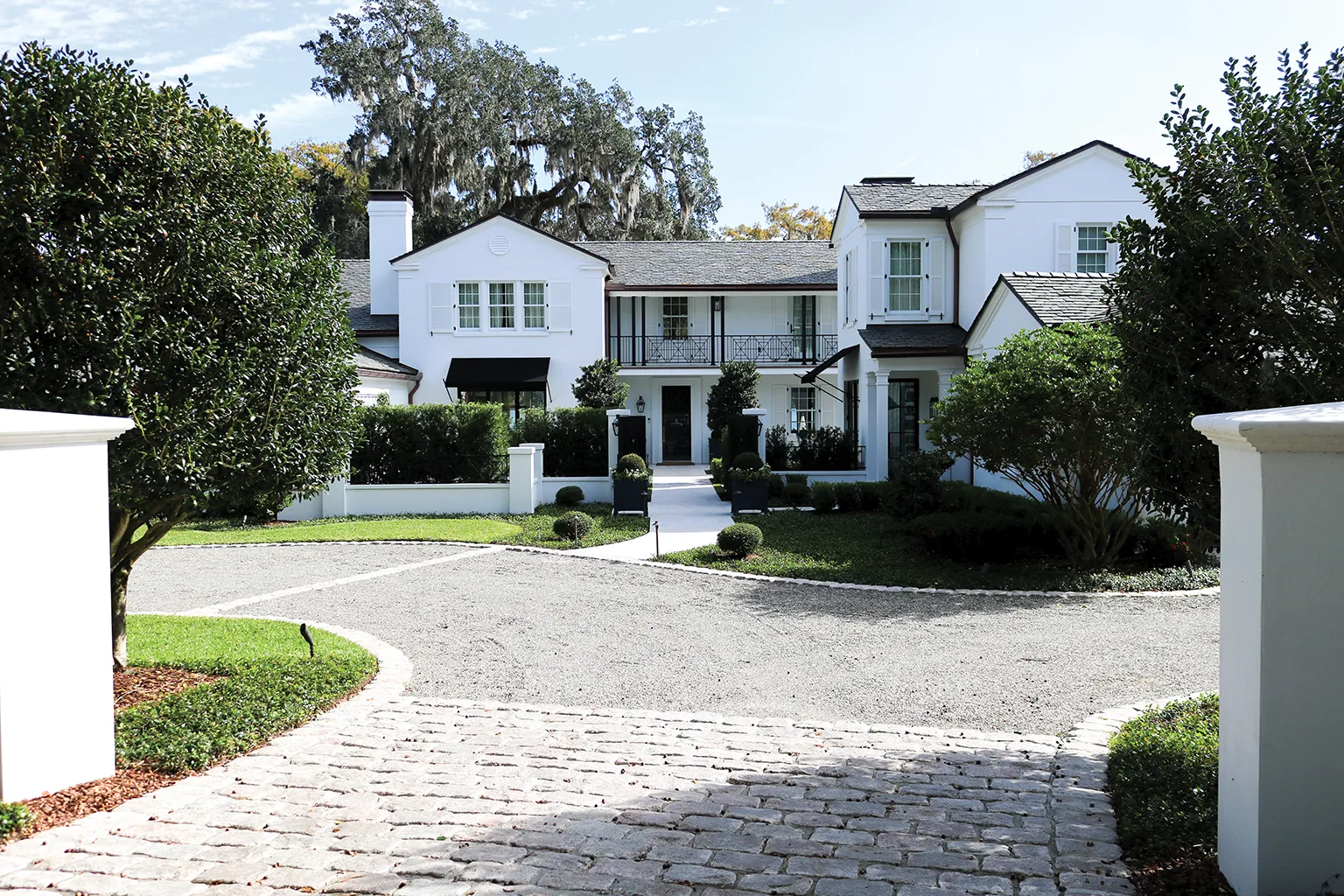
This Winter Park home, built in 1955 on property fronting Lake Osceola and cornering the Venetian Canal, was designed by celebrated architect James Gamble Rogers II, who during his decades-long career had a profound influence on the city’s architectural aesthetic. It was lovingly restored and thoughtfully modernized by Carrie and Daryl Carter.
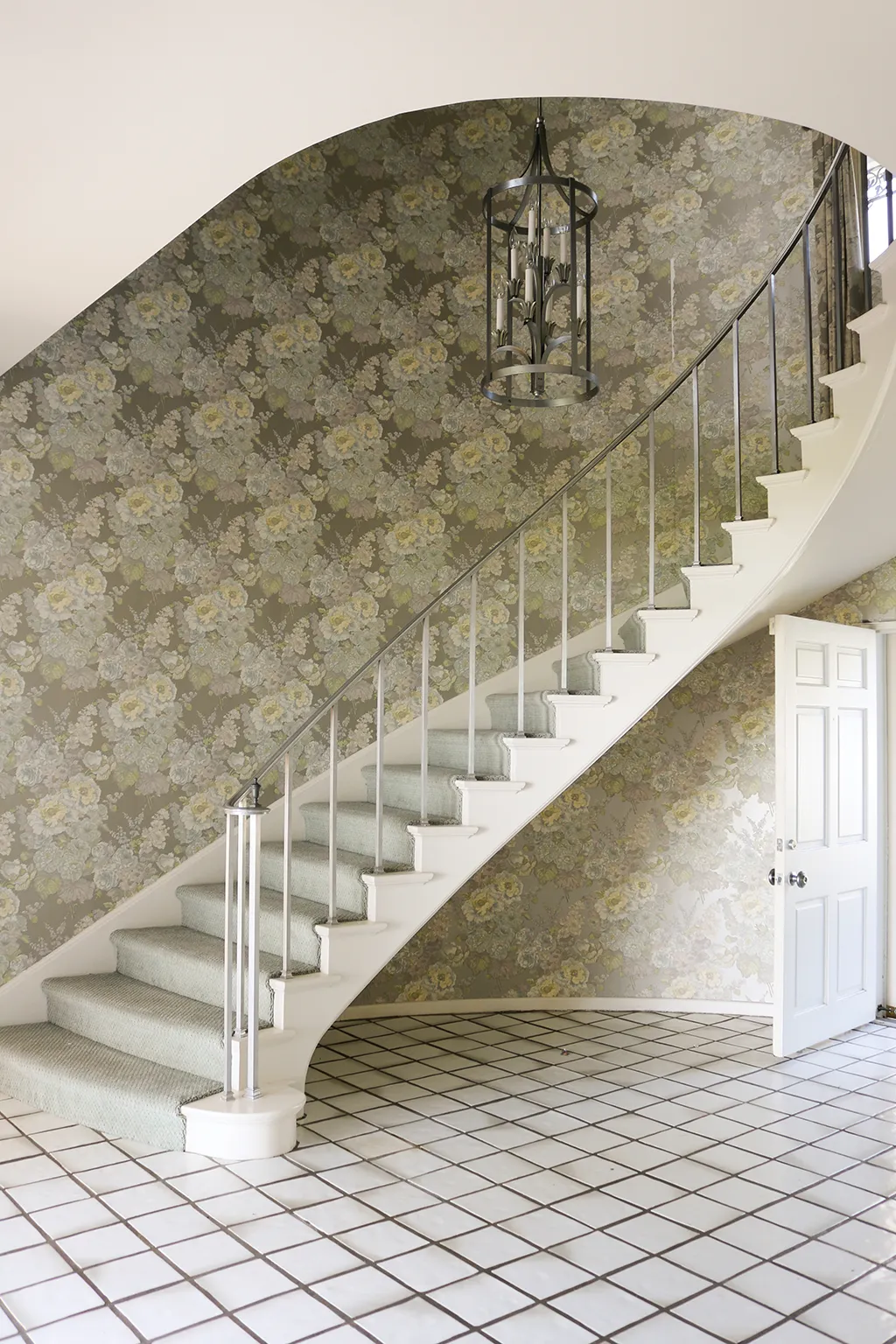
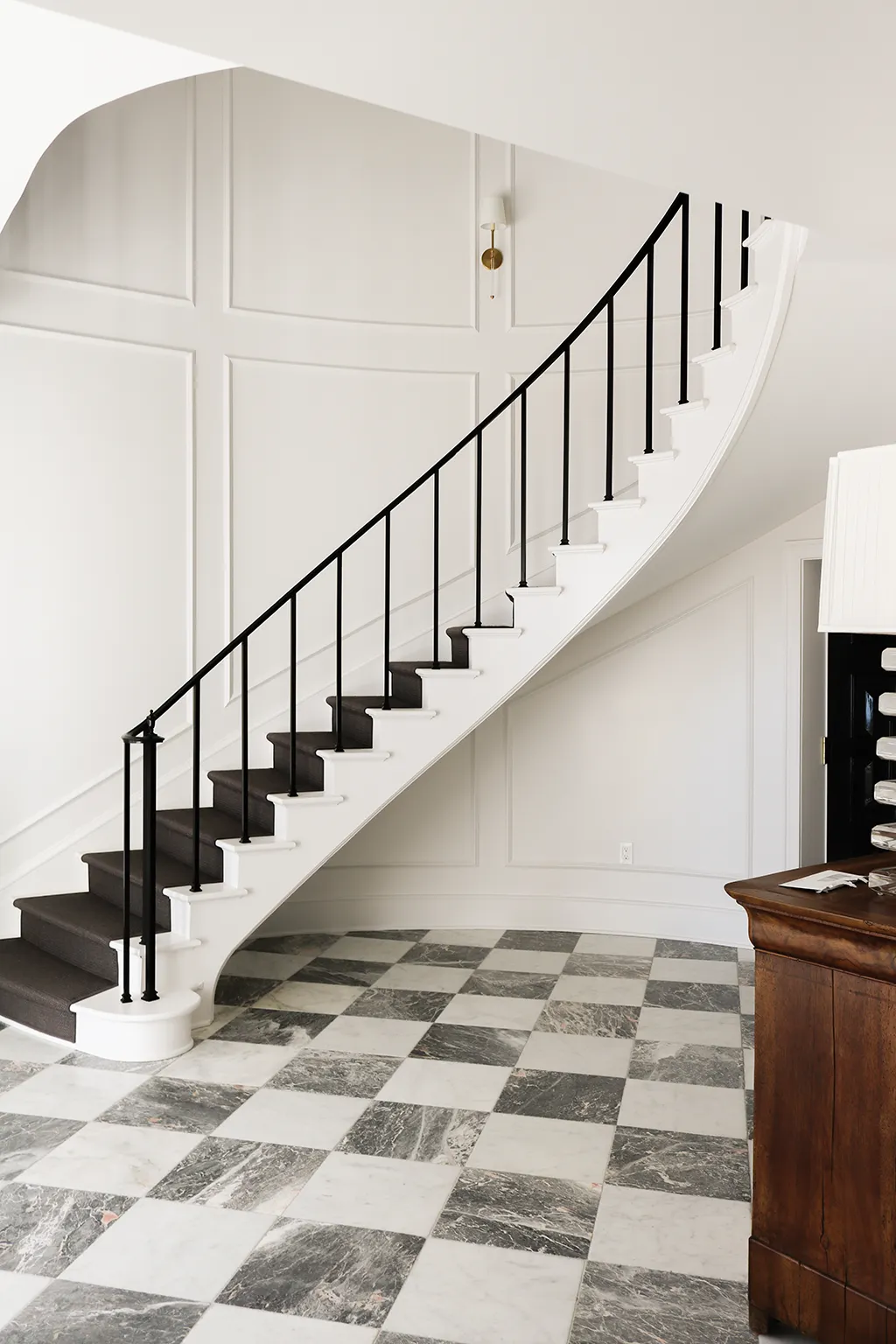
The two-story entrance foyer to the house, with its spiraling wrought iron banister, made a statement when James Gamble Rogers II built it in 1955 and it continues to do the same today. “I’m proudest of being able to save that,” says Carrie Carter. Although It didn’t conform to today’s building code, the staircase was original to the house and was therefore granted an exemption. Carter had the stair rail painted black to harmonize with new black and white marble flooring and accented the curving wall of the staircase with molding.
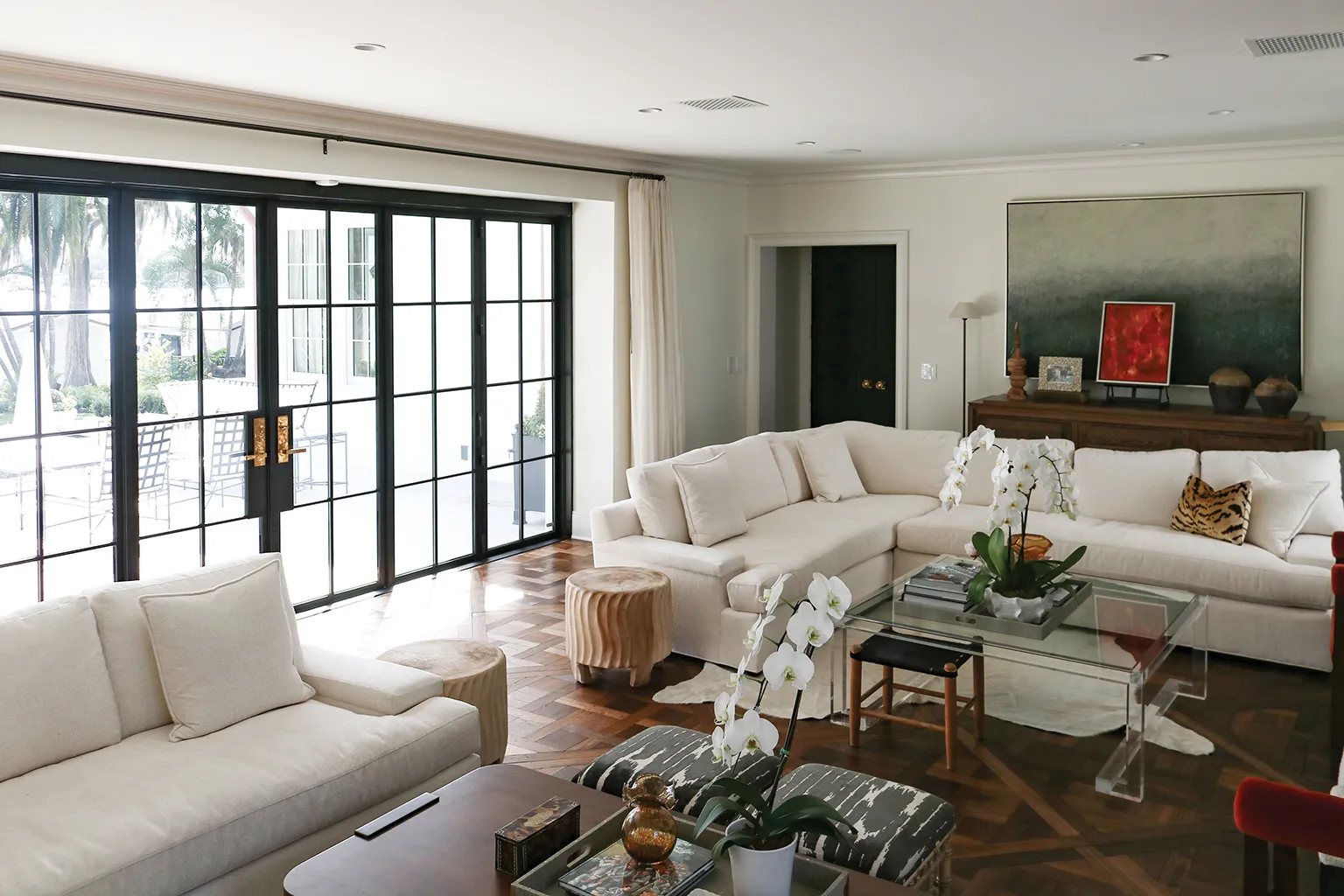
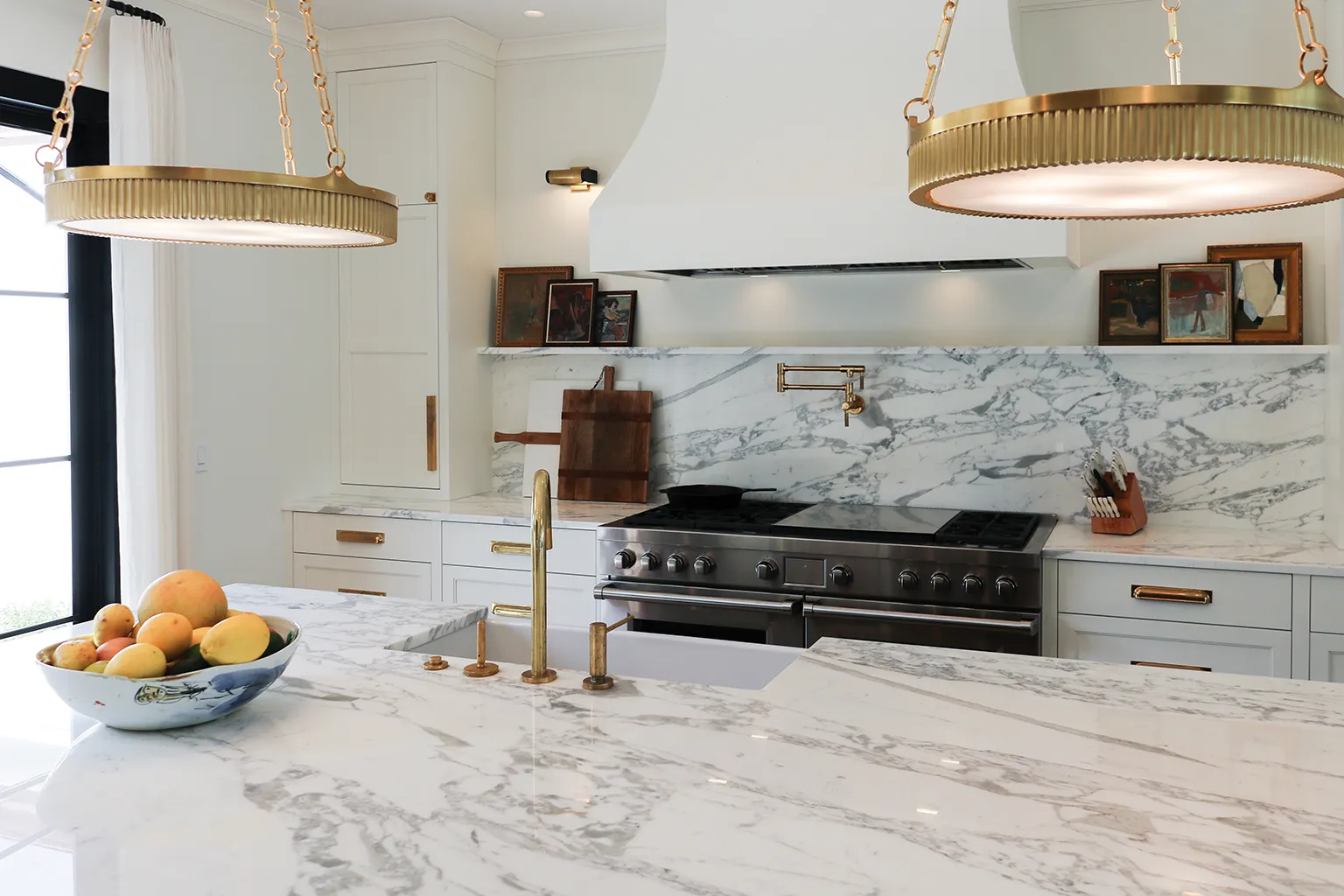
Carrie Carter’s interior decorating touches included contemporary abstract paintings, art pottery and antique furniture. White heritage windows, oiled flooring of French oak, custom cabinetry and retractable iron-framed glass doors combined to give the home a warm but elevated feel. The new owners also relocated the kitchen to a first-floor guest bedroom space, removing two walls of a hallway in the process.
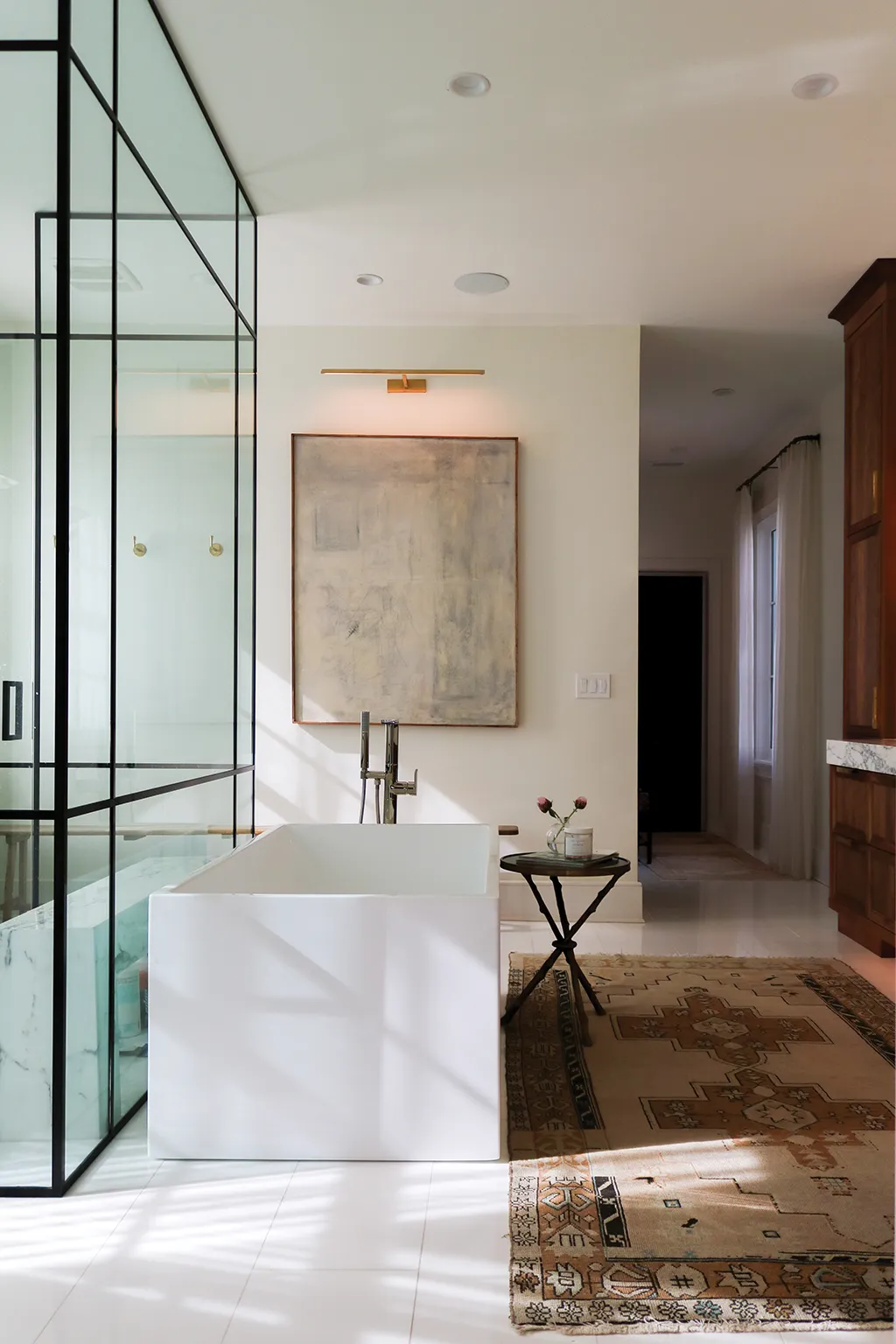
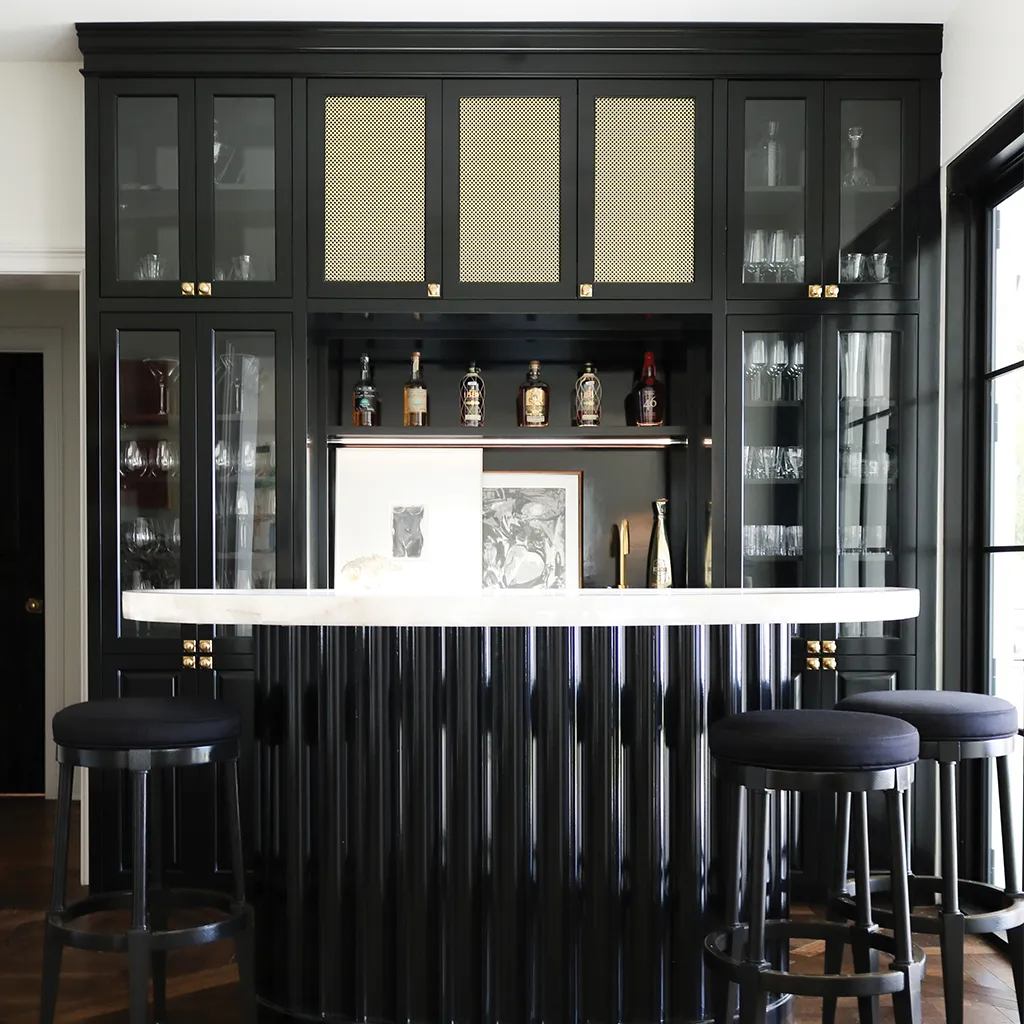
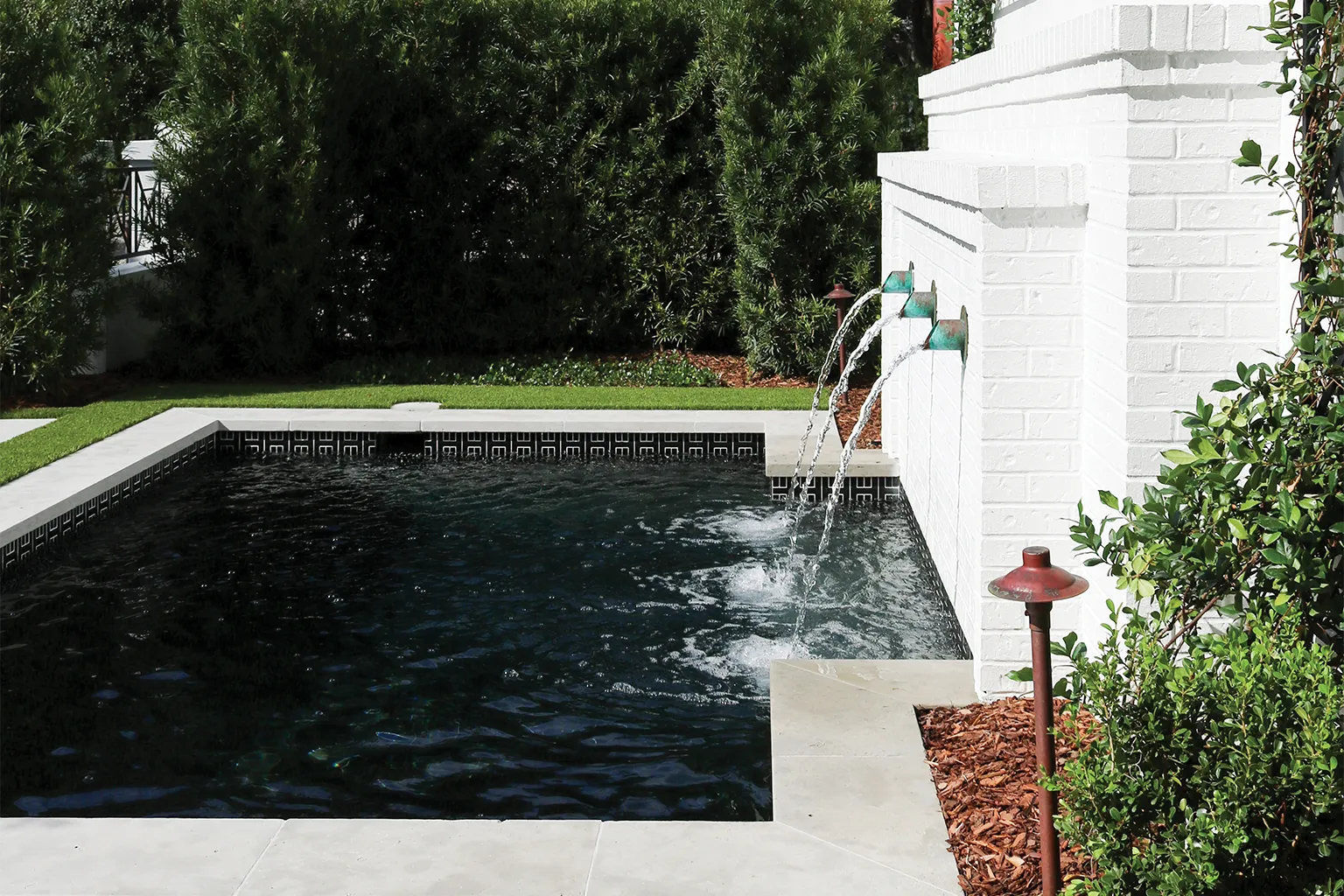
Builder Derrick Koger says he was “very careful to never break the stride with the core design intent of a Gamble Rogers-inspired plan.” As Koger’s team made modifications, he says, they channeled the spirit of Rogers, who died in 1990, “almost like he was walking with us.” Shown is the master bathroom, a bar fashioned of lacquered wood and a combined fountain and hot tub by the front entry.
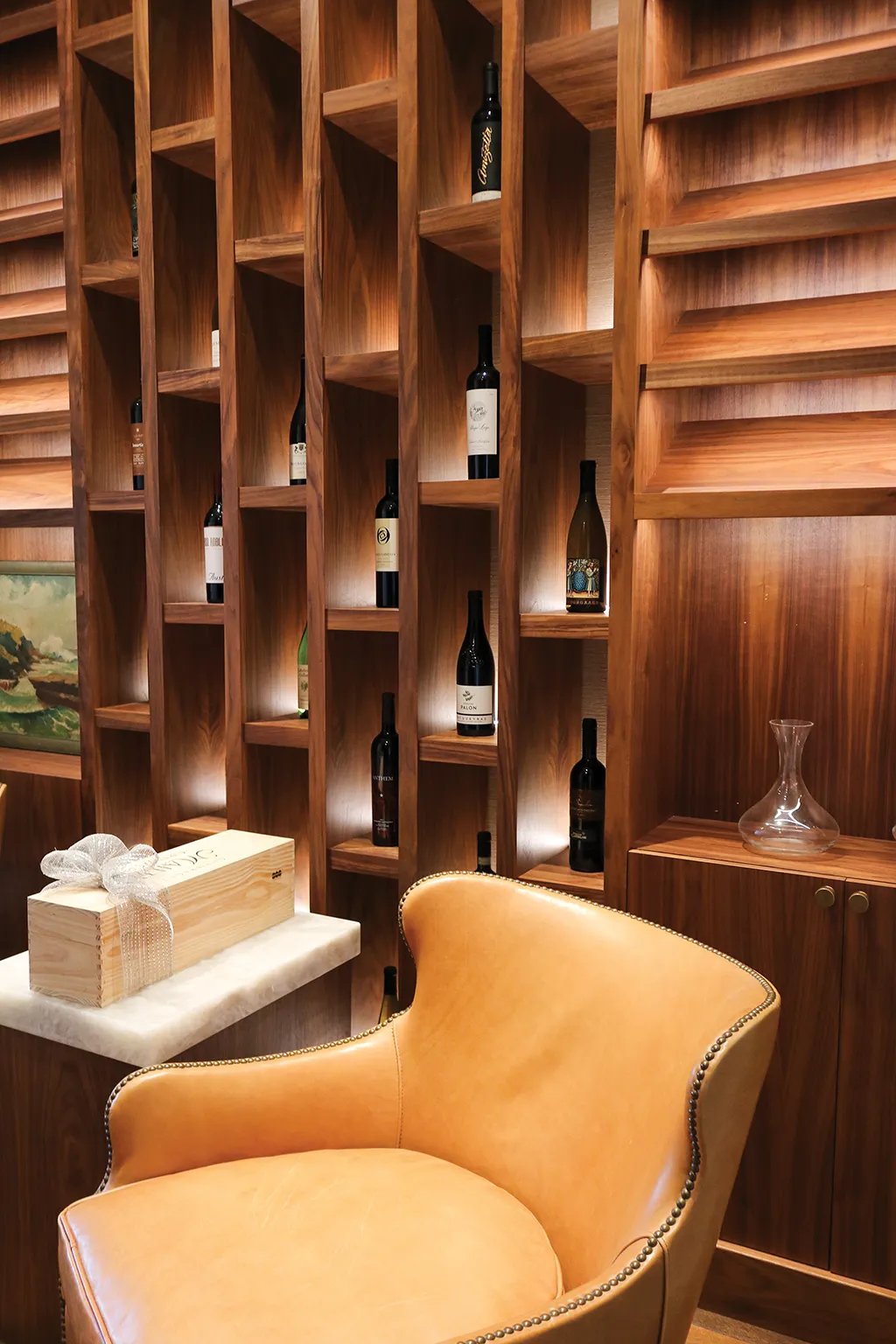
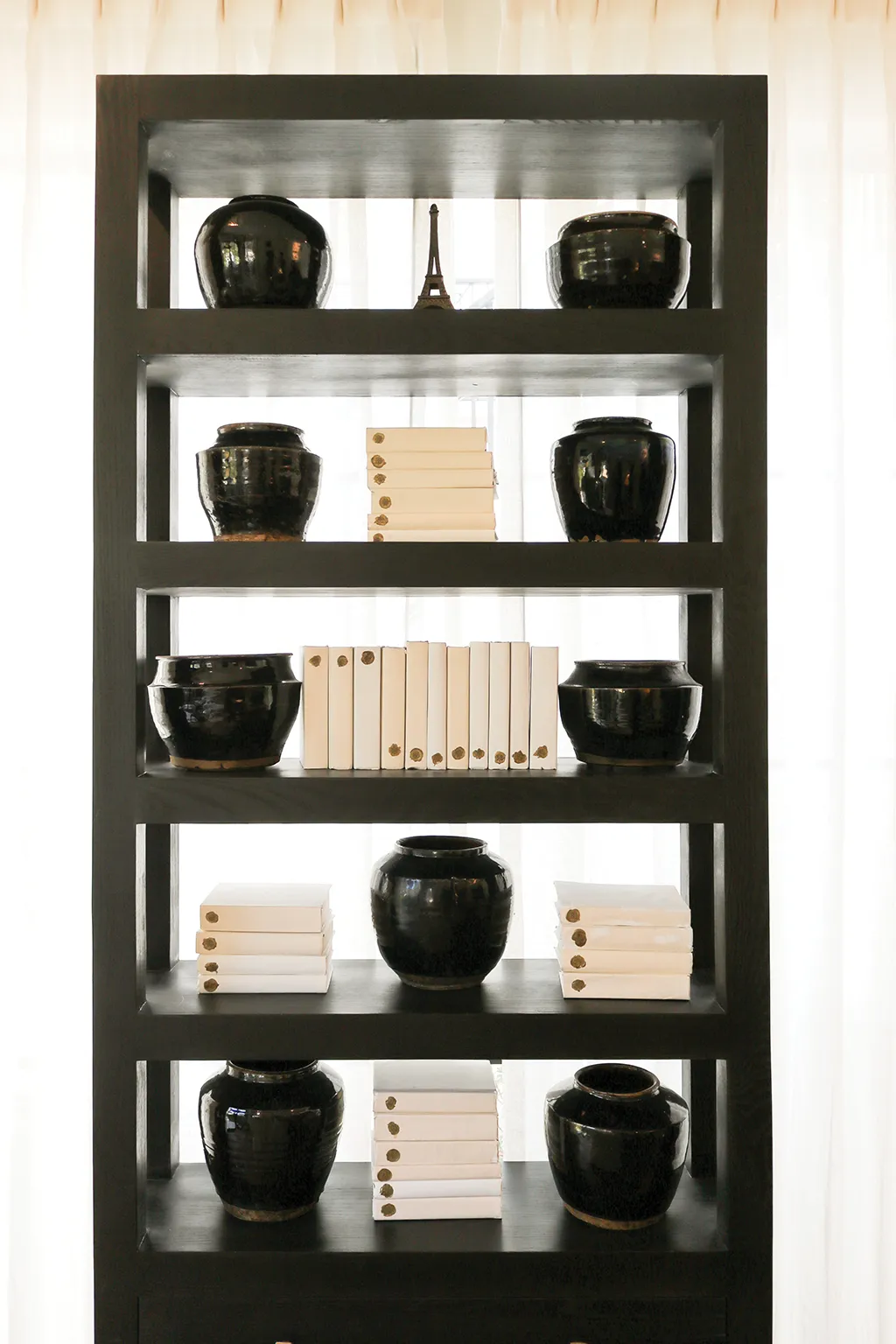
From the cozy wine room to the sleek bookshelves, the home is filled with details that enhance its welcoming vibe. The Carters have been generous about allowing their pride and joy to be used for home tours, including last year by the Council of 101, the volunteer fundraising organization for Orlando Museum of Art. The home, along with two others designed by Rogers, was also featured on a tour sponsored by Friends of Casa Feliz.
All Photos Courtesy Claire Hill