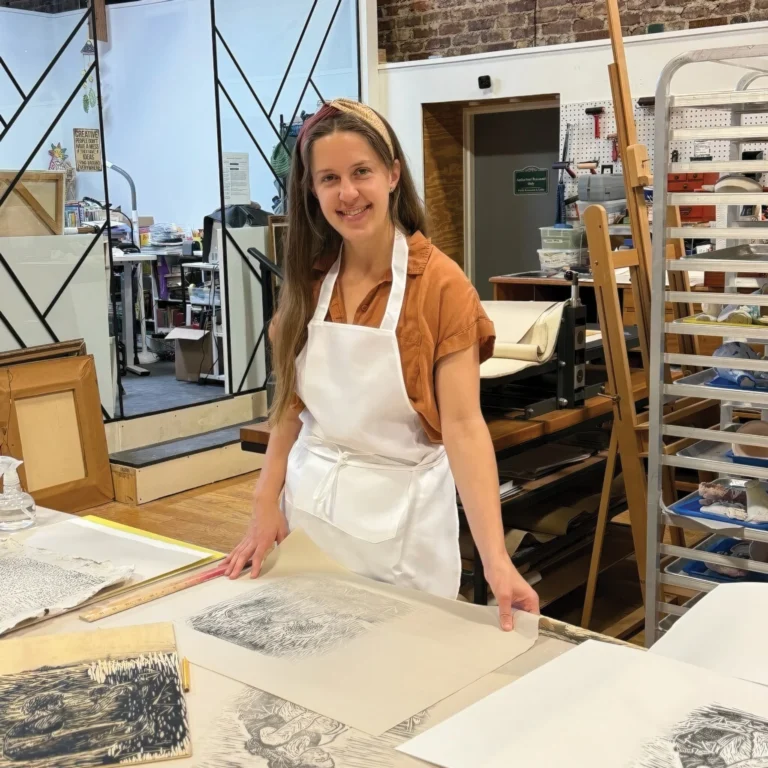


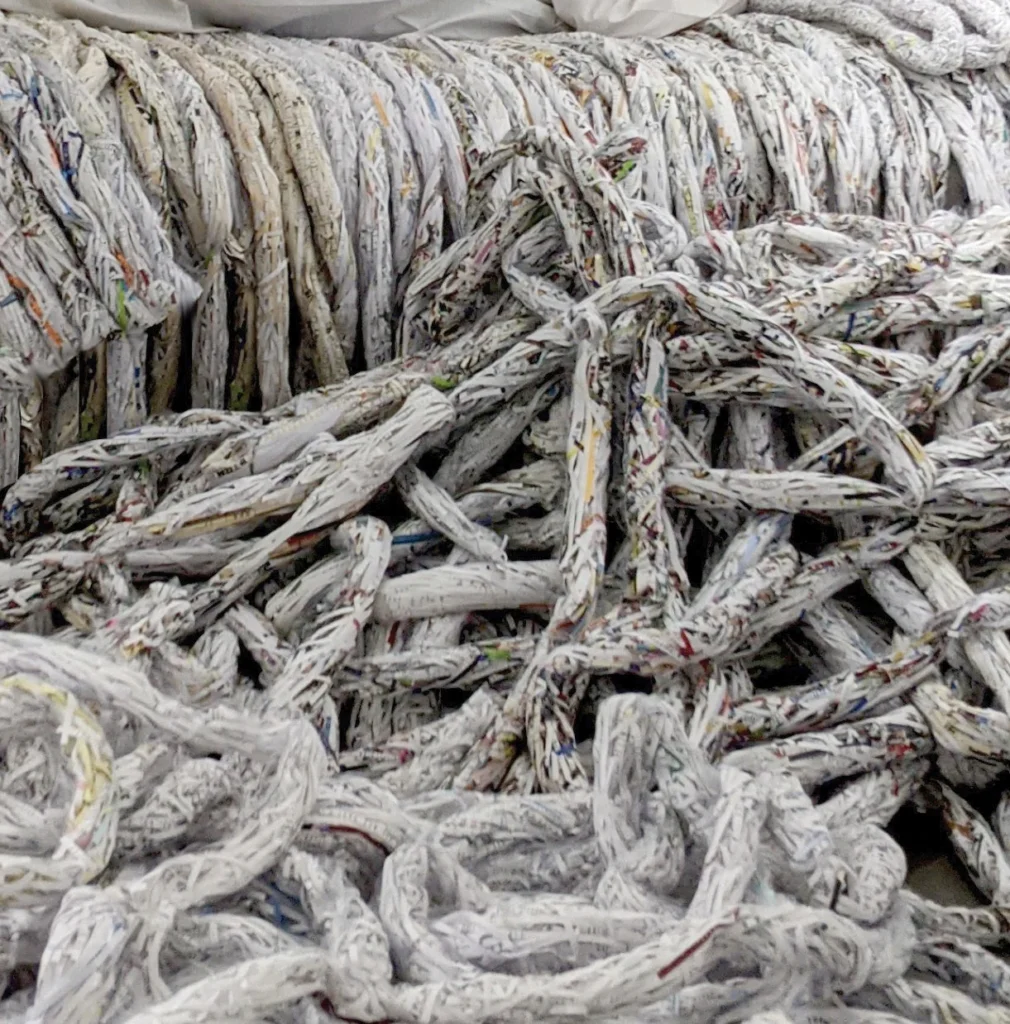
Soude Dadras explores trauma through handwork that uses abandoned textiles, found objects and various materials that hold memories—her hair, fabric passed down from elders, poetry and text, and objects that have been touched, used or loved by someone before. | Courtesy Maitland Art Center
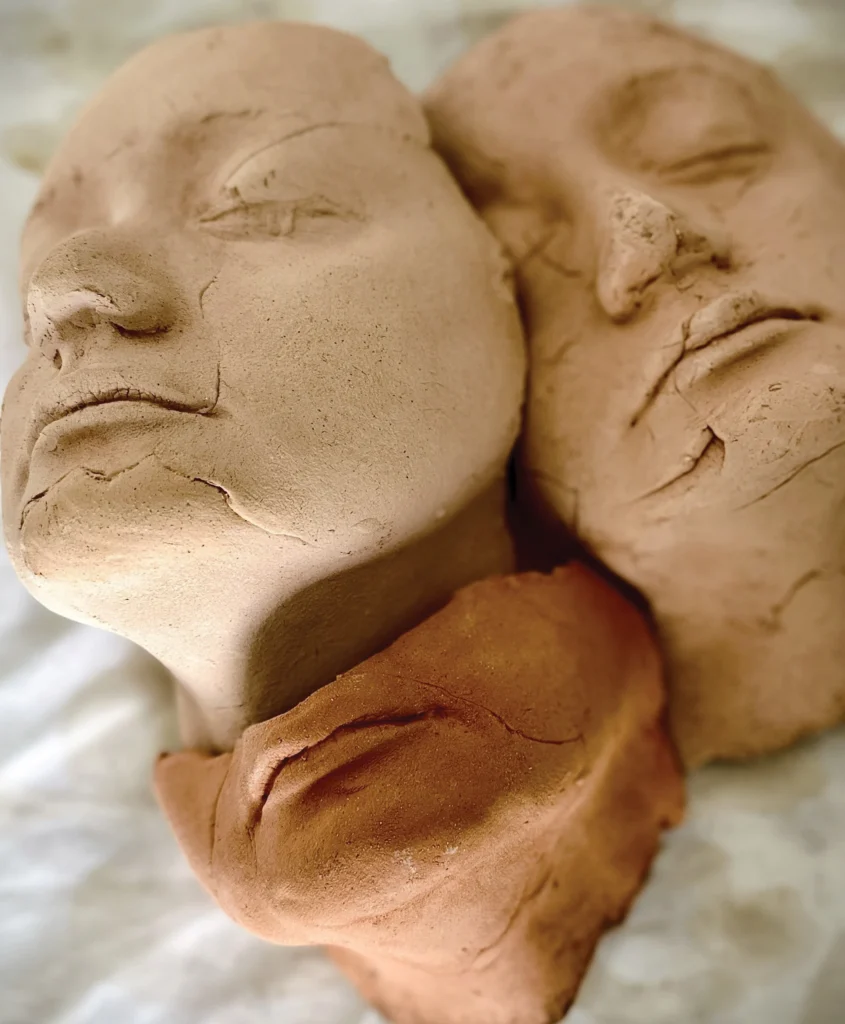
When the Maitland Art Center was established in 1937, it was meant to be a place of hope—cocooned in a protected enclosure for artists to live and work. For most, it’s an opportunity to create freely.
For others, like Soude Dadras, the center’s mystical environs helps them to recover from unimaginable grief. In 2023, Dadras—now based in Atlanta—was pregnant with her first child while traveling in Iran. There, in her homeland, she suffered a miscarriage.
She remembers walking through the streets, carrying her emotional burden quietly. When she saw other women who appeared deeply sad or broken, she would instinctively approach them, hug them and tell them that she saw their pain.
“We shared a kind of grief that did not need many words,” says Dadras. “I was grieving inside, but in those moments I also felt connected to the pain of other women, mothers and young girls. That experience became the emotional root of Vilomah.”
Vilomah is a Sanskrit word, loosely translated to “against the natural order” in English. For Dadras, it’s also the title of her upcoming solo exhibition about the pain of mothers who have lost children in different ways and at different stages of life.
The exhibition, which was originally set to debut two years ago, was postponed when Dadras became pregnant again. She’ll have a toddler in tow when Vilomah: Against the
Natural Order debuts on Saturday, October 17 at the center. It will run through the end of the year.
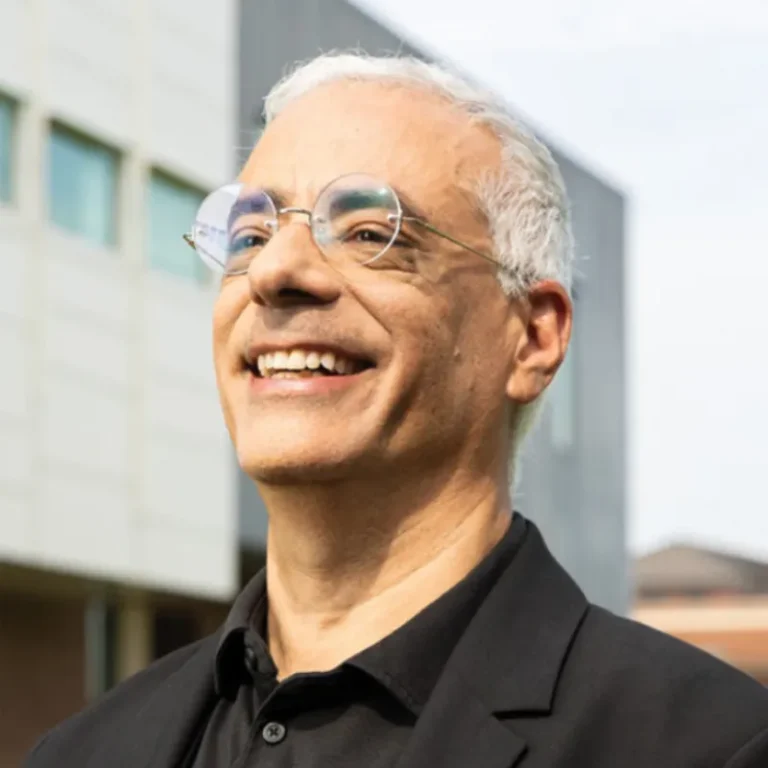
Dadras first arrived in Maitland with her husband shortly following the miscarriage. Through many conversations with Dan Hess, the center’s chief curator, she says that the historic Mayan Revival campus became a place of trust and reflection that allowed her to shape the exhibition in a personal and honest way.
“We have art and artists who don’t shy away from tackling difficult subjects,” says Hess. “They know that wrestling with those difficulties can be painful but ultimately can produce something beautiful that can be shared—not only for themselves but for the community as well.”
Dadras, through Vilomah, explores trauma through handwork that uses abandoned textiles, found objects and various materials that hold memories—her hair, fabric passed down from elders, pages of poetry and text, and objects that have been touched, used or loved by someone before.
“I hope audiences feel that this is a tender space,” she says. “It is not only about pain, but also about connection, softness and the possibility of turning grief into something shared and alive.”
The Maitland Art Center is located at 231 West Packwood Avenue, Maitland. For more information, call 407.529.2181 or visit artandhistory.org